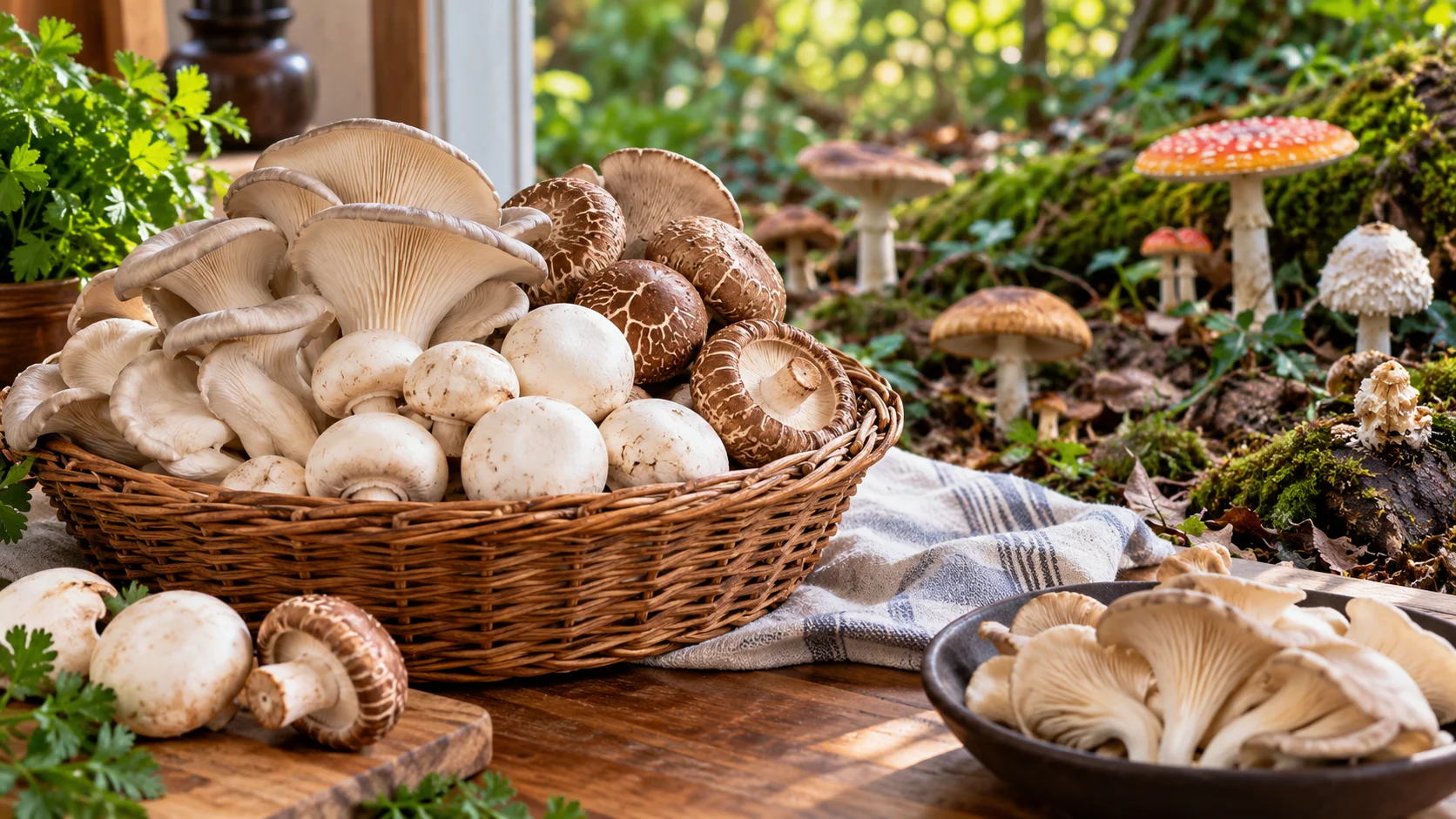
Mushrooms can look attractive, ordinary or almost identical, yet their effects on the body may be completely different. The difference between edible and non edible mushroom does not depend on colour, smell, size or where it grows. Instead, it depends on the exact species, its natural chemicals, its condition and whether someone has identified it correctly.
Edible mushrooms are species that people can safely eat when they are fresh, correctly prepared and suitable for that person. On the other hand, non-edible mushrooms include poisonous species, mushrooms that cause digestive illness, very tough or unpleasant species and specimens that become unsafe because they are old, contaminated or wrongly identified.
This guide explains the difference between edible and non edible mushroom without encouraging risky wild identification. Therefore, the safest choice is to buy known food varieties from a reliable seller.
Main Difference Between Edible and Non Edible Mushroom
The table below gives a practical comparison. However, it does not serve as an identification key for wild mushrooms.
| Point | Edible mushroom | Non-edible or poisonous mushroom |
|---|---|---|
| Human use | Recognised as food when correctly prepared | Not accepted as safe food |
| Natural chemicals | No harmful dose expected in normal food use | May contain toxins or irritating compounds |
| Identification | Known species from a reliable source | Unknown, doubtful or confirmed unsafe species |
| Effect after eating | Usually digested safely, although allergy is possible | May cause stomach, nerve, liver, kidney or other injury |
| Cooking | Often improves flavour and digestibility | Does not reliably destroy every mushroom toxin |
| Best action | Buy, store and cook properly | Do not taste or eat |
The most important difference between edible and non edible mushroom is therefore verified safety, not appearance. For example, a poisonous species can look plain and have a mild smell, while an edible species can have a bright colour or unusual shape.
Why the Difference Between Edible and Non Edible Mushroom Cannot Be Judged by Appearance
Many popular rules are unreliable. For example, a mushroom is not safe just because insects eat it, animals touch it, the cap peels easily or a silver spoon does not change colour. White gills, a ring, a cup at the base, cap texture and spore colour can help trained identification, but no single feature proves edibility.
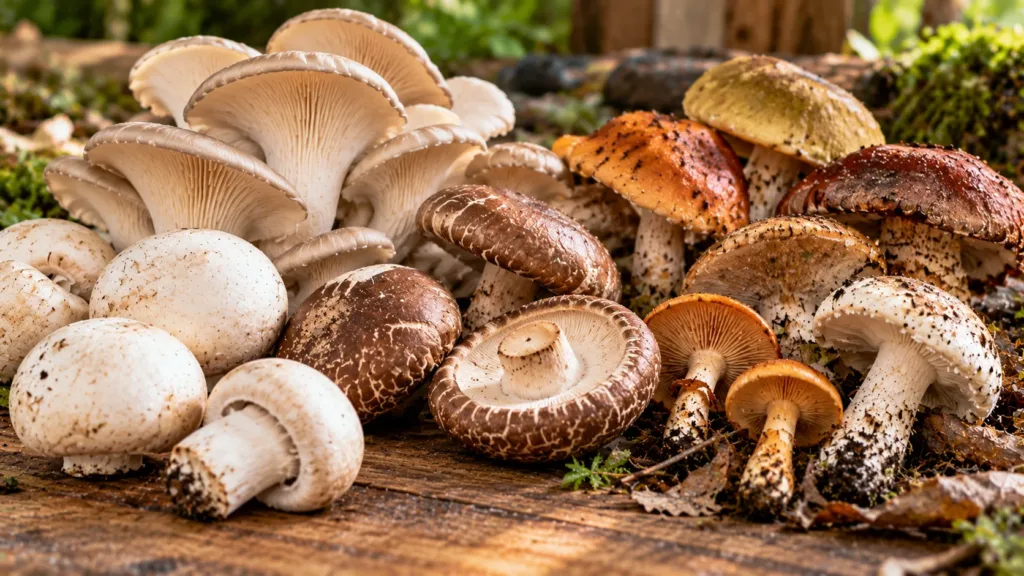
Moreover, the difference between edible and non edible mushroom can remain hidden in small details. Young specimens may not show their mature features. Likewise, rain, age and damage can change their colour and shape. Closely related species may also grow beside one another.
Photographs and phone applications can support learning; however, they should not become the final decision before someone eats a wild specimen. Instead, location, habitat, the whole base, gills or pores, bruising, odour, spore print and microscopic features may all matter.
Look Alikes and the Difference Between Edible and Non Edible Mushroom
Look-alikes create one of the main dangers of casual foraging. For example, people have confused paddy straw mushrooms with death caps, while edible puffballs can resemble young Amanita mushrooms before their inner structures become obvious. Similarly, people sometimes mistake false morels for true morels.
For this reason, the difference between edible and non edible mushroom cannot be reduced to a short checklist. A reliable identification uses several independent features and local knowledge. Therefore, an experienced mycologist or trained local expert should inspect the complete specimen.
Never mix an unknown specimen into a basket of known mushrooms. Instead, keep each collection separate, retain the base and record the habitat. If any doubt remains, discard it without tasting.
Can Cooking Change the Difference Between Edible and Non Edible Mushroom
Cooking does not create a dependable difference between edible and non edible mushroom. In fact, some toxins remain active after frying, boiling, drying or freezing. NSW Health specifically warns that cooking, soaking, peeling or drying does not remove the poison from dangerous wild mushrooms.
Heat may be part of the correct preparation for a known edible species. However, it does not provide a rescue method for an unidentified one. Similarly, traditional preparation advice should apply only after a qualified person has confirmed the species.
Symptoms and the Difference Between Edible and Non Edible Mushroom
Symptoms vary with the toxin involved. Early effects can include nausea, vomiting, diarrhoea, stomach pain, sweating, confusion, dizziness or unusual sleepiness. In serious cases, poisoning may cause seizures, breathing problems, low blood pressure, liver failure or kidney damage.
Importantly, the difference between edible and non edible mushroom is not always obvious immediately after a meal. Some dangerous poisonings cause delayed symptoms, and a person may briefly feel better before organ injury becomes clear. Therefore, waiting for severe symptoms can waste important treatment time.
If you suspect poisoning, contact the local emergency service, hospital or poison information centre immediately. Do not make the person vomit unless a medical professional instructs you. If possible, keep an uncooked sample, leftovers and clear photographs for expert identification. However, never delay medical care while searching online.
Safe Buying and the Difference Between Edible and Non Edible Mushroom
For most families, the practical difference between edible and non edible mushroom begins at purchase. Choose packaged or loose mushrooms from a recognised food seller. Also, check that they are firm, fresh and free from slime, heavy bruising or a sour smell.
Next, refrigerate fresh mushrooms in packaging that allows some airflow. Clean away visible soil and cook them with clean utensils. If a packaged product has preparation directions, follow them. People with a known mushroom allergy should avoid them.
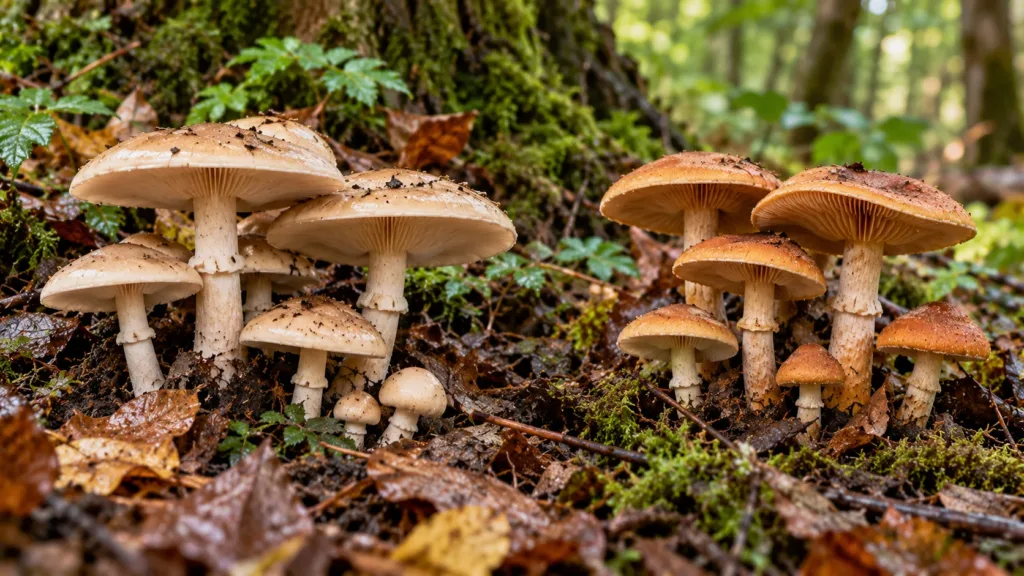
Wild mushrooms should be eaten only after confident, local, expert identification. In addition, keep children and pets away from mushrooms growing in lawns or gardens because accidental tasting can happen quickly.
Frequently Asked Questions
An edible species has been reliably identified and is accepted as food when properly prepared. In contrast, a non-edible mushroom is poisonous, irritating, unsuitable or not identified with enough certainty to eat safely.
No. Smell alone cannot establish the difference between edible and non edible mushroom. Some toxic species have little odour, while edible species may have a strong smell.
Not all are poisonous, but wild identification can be difficult and mistakes can have serious consequences. Therefore, only a qualified local expert should confirm a wild mushroom intended for food.
Seek urgent professional advice, even if the person currently feels well. If possible, preserve samples and photographs safely. Do not wait for symptoms or try home remedies.
Final Takeaway
The difference between edible and non edible mushroom rests on exact identification and known safety. Therefore, colour, folklore and cooking tests cannot replace expertise. Buy recognised edible varieties from reliable sellers, handle them properly and never eat a doubtful wild specimen.
About author

Add comment