Production
Commercial Mushroom Farms
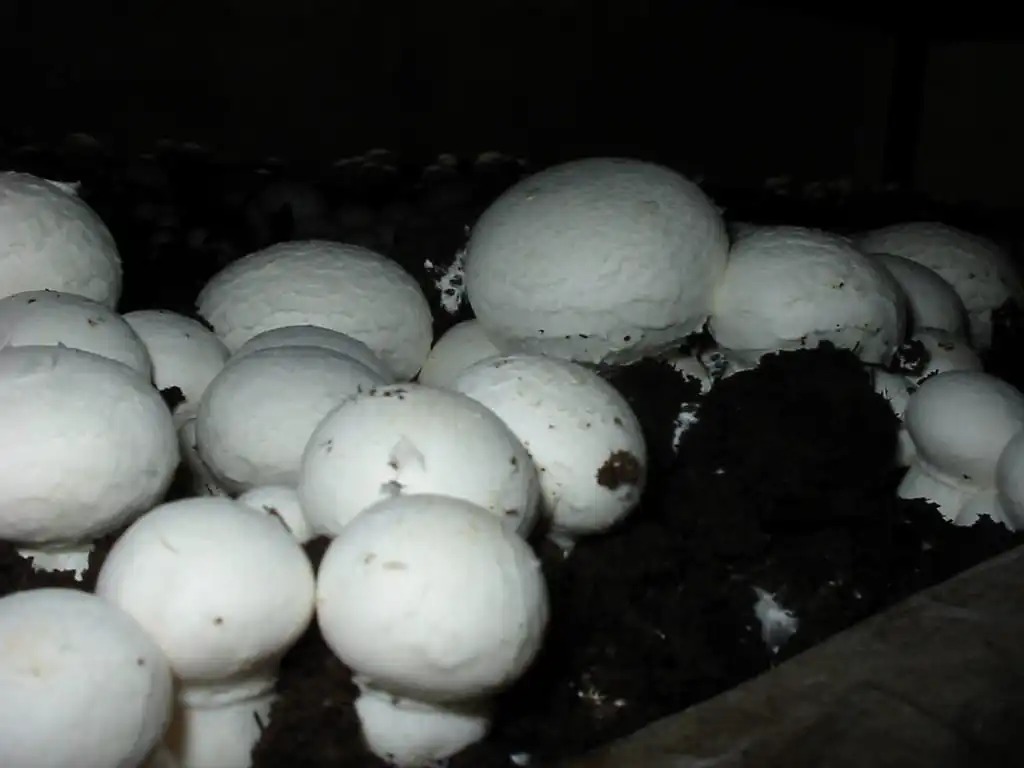
Production environments planned around species, capacity, workflow, hygiene and climate requirements.


From commercial mushroom farms to specialised laboratories, the right setup begins with the crop, production goal, workflow and level of control you need.
A farm designed for fresh mushroom production is different from a sterile lab or a controlled Cordyceps facility. The setup should follow the work.
Production environments planned around species, capacity, workflow, hygiene and climate requirements.

Laboratory environments where clean workflow, hygiene and controlled handling become central to the design.

Controlled spaces built around the specific environmental and process requirements of Cordyceps production.
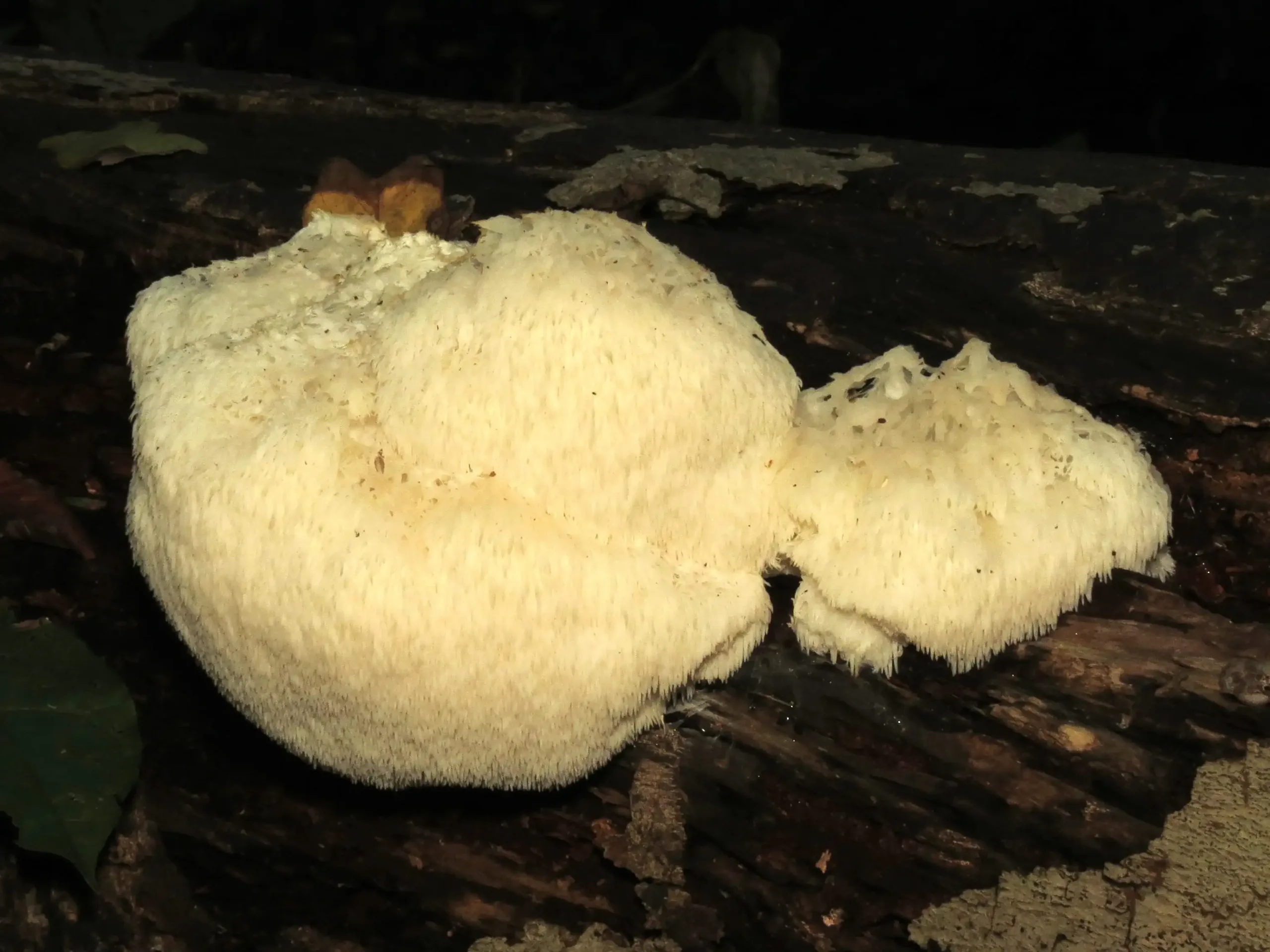
Growing environments where temperature, humidity, airflow and operating discipline need greater control.
Good infrastructure should support the mushroom, the people working inside it and the sequence of operations happening every day.
Species, capacity, site, budget and commercial objective should shape the setup.
Movement of people, material and product should support cleaner and more practical operations.
Temperature, humidity, airflow, hygiene and operating conditions matter.
Infrastructure becomes valuable only when teams can operate it consistently and practically.
Infrastructure should follow the biological and production needs of the mushroom rather than forcing every crop into the same setup.
The exact scope depends on the project, but a farm or lab typically begins by understanding what you are trying to produce and how you want to operate.
Species, production target, site and intended use.
Consider space, workflow, environmental control and operating needs.
Align the facility with production and operational requirements.
Implement the agreed scope and prepare the facility for use.
Connect infrastructure with process discipline and operational guidance.
Depending on the project scope, further support can focus on helping teams connect infrastructure with practical mushroom operations.
Connect facility use with practical cultivation and workflow decisions.
Help teams better understand the system they are expected to operate.
Review practical issues and identify areas that may need adjustment.
Explore additional capacity, species or infrastructure when the next stage makes sense.
Project support can begin at the planning stage. The exact scope depends on the mushroom, site, intended capacity and type of facility being considered.
Existing facilities can be discussed where the goal is to review workflow, environmental control, capacity, production challenges or expansion.
That depends on your production goal, location, available resources and market direction. The facility should follow the needs of the selected mushroom.
Training or operational guidance may form part of the wider support depending on the project and agreed scope.
No guaranteed buy-back should be assumed. Market linkage or buy-back opportunities, where available, depend on factors such as crop, quality, location, demand and the written terms of the relevant program.